The reopening of the Strait of Hormuz is being read as a peace dividend, and the falling price of oil is being read as relief. Both readings mistake the board. Treat the Strait as a game with a payoff matrix rather than a news story, and the question is not whether Iran will reopen it but whether Iran could ever have kept it shut. A blockade is meant to starve the other side. This one starved the side running it.
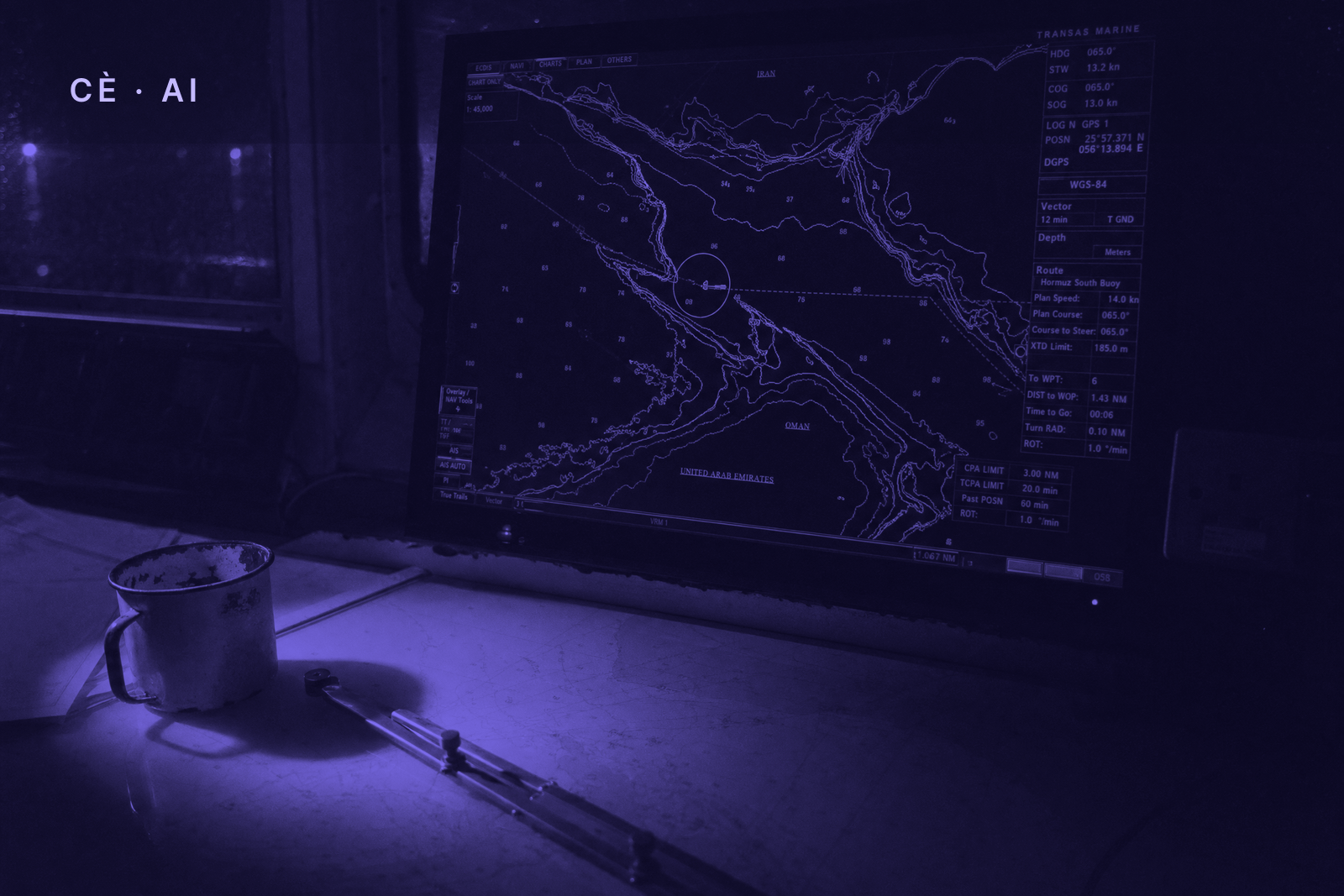
On 4 March, weeks after the United States and Israel opened an air war on Iran and killed its supreme leader, Tehran declared the Strait closed and turned maritime traffic to a trickle. Through it normally moves close to twenty million barrels of oil a day, a fifth of the world’s supply, bound mostly for Asia. Brent ran up more than fifty percent at the peak. Then, through June, the closure unwound: Kuwait and the Emirates routed cargoes around it, the United States lifted its naval blockade, and Iran itself pushed more than thirty million barrels through the same strait in a single week, cutting the price on the cargoes it sells to China. By 23 June Brent sat near seventy-seven dollars, its lowest in three months, while Washington and Tehran spoke of a roadmap to a settlement in sixty days.
A strait that strangles your own treasury is a weapon that fires backwards.
This has happened before, in a different costume. From 1984 to 1988 the Gulf was a shooting gallery; Iran and Iraq struck more than four hundred tankers in what the trade still calls the Tanker War. The Strait was the prize the whole world expected to lose. It never closed. It could not close, because both belligerents were paying for their war with the oil that flowed through it, and a strait that strangles your own treasury is a weapon that fires backwards. Forty years on the lesson holds with the actors rearranged: the closure of 2026 ended on the day Iran needed the revenue more than it needed the leverage.
The variable the coverage skips is neither the missiles nor the diplomacy in Geneva. It is the plain fact that the owner of the chokepoint is also its hostage. Iran’s state runs on oil money, and since sanctions narrowed its market to a single large buyer, that money runs almost entirely through China, which takes the discounted barrels precisely because no one else will. The Strait is the artery that carries Iran’s only remaining customer. An indefinite closure leaves Washington, which buys no Iranian oil, untouched, and falls instead on Tehran, and behind Tehran on Beijing’s refiners, who are the structural reason the Strait stays open. The chokepoint everyone fears Iran controls is the chokepoint Iran can least afford to use.
The chokepoint everyone fears Iran controls is the chokepoint Iran can least afford to use.
Singapore reads this with particular clarity, because the city-state is the downstream end of the same artery, the largest bunkering port on earth and a refiner with no crude of its own. Its entire model assumes the sea lanes stay open, which is why its answer to a chokepoint it cannot defend is the unglamorous one: stockpiles, diversified suppliers, a standing refusal to depend on any single source of barrels. The small state survives the chokepoint the way it survives everything larger than itself, by assuming it will close one day and arranging never to be ruined when it does. The region’s importers spent this spring learning the same lesson at a worse price.
So the forecast. The Geneva talks are fragile; they have already broken off once, and the war that began on 28 February is not finished. The structural call is that the Strait of Hormuz will not suffer another multi-week, near-total closure to commercial shipping in the next twelve months, before June 2027, however badly the peace process stutters. The mechanism is fiscal. Iran will keep the Strait open because its regime cannot survive cutting off the oil revenue that reaches it through China. The load-bearing assumption, the one thing that would break this call, is that Tehran’s behaviour stays governed by revenue and survival rather than by ideological escalation, even with its supreme leader dead and its legitimacy contested. If a cornered regime decides that closing the Strait is worth more as a final act of leverage than the income it would destroy, the forecast fails, and it will fail in the tanker traffic before it fails in any communiqué. This column holds the call at likely, not conviction, because a state that has just lost its leader is exactly the kind of actor that can choose the move that costs it everything.
The price of oil is falling because the market has decided the chokepoint will stay open. The market is probably right, for a reason the headlines do not print: the man with his hand on the valve needs the oil to flow more than anyone he could starve by closing it.