
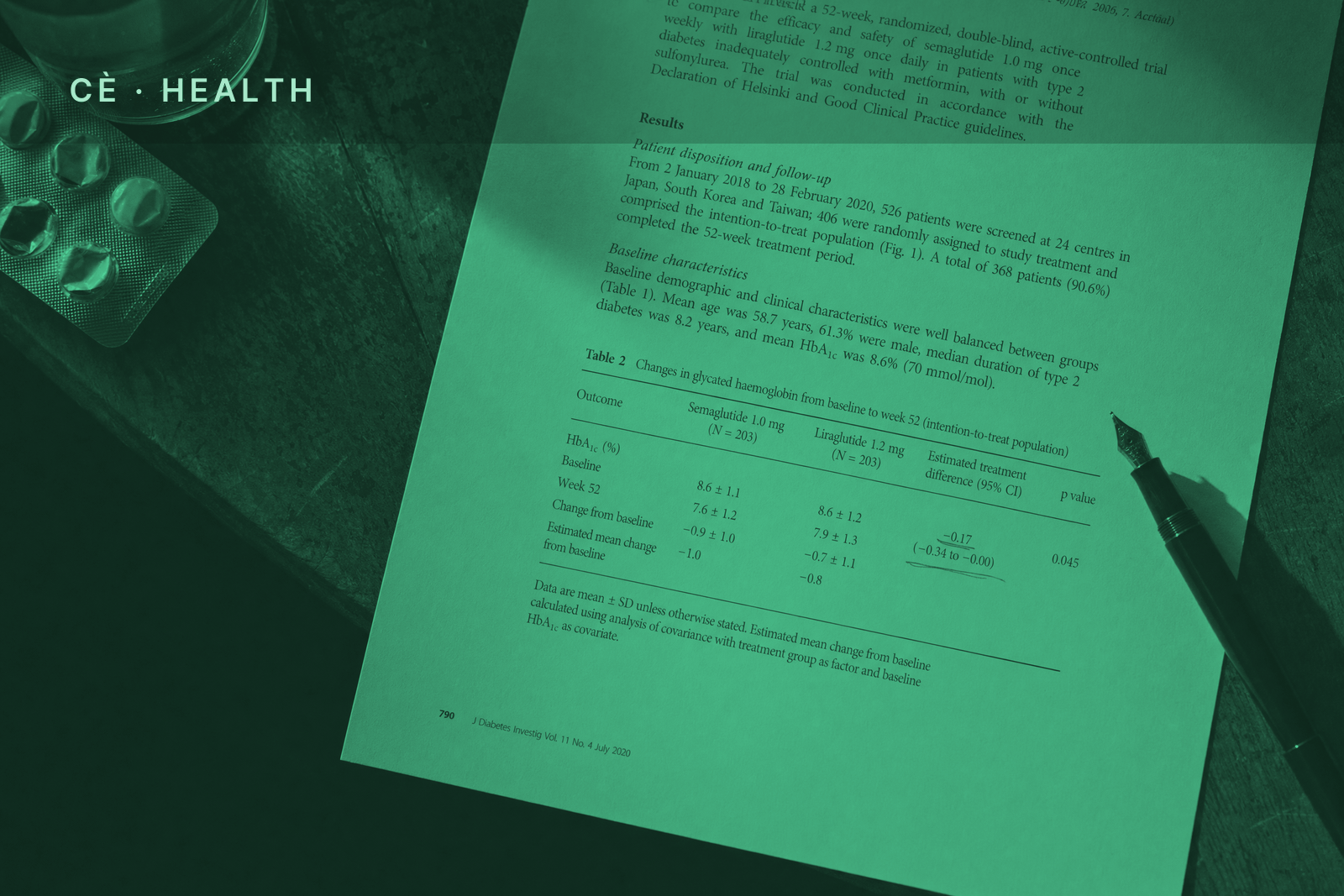
One year. Low-dose rapamycin, taken once a week. The PEARL trial, the most-cited human read on the drug, reported it broadly safe in healthy adults over roughly twelve months, with measured gains in lean muscle mass and less pain in the women who took it. It also concluded, in the careful language of a 2025 systematic review that gathered up all the work since, that the case for low-dose rapamycin as a longevity therapy in healthy people remains unestablished. All three of those are the story.
Start with what the drug is. Rapamycin is an immunosuppressant from the 1970s, used for decades to stop the body rejecting a transplanted organ. It is generic. It costs a few cents a milligram. Set it beside the rest of the longevity field, the billion-dollar startups, the gene therapies, the plasma exchange at forty-eight thousand dollars a year, and it is the cheap old thing in the corner. It is also the one with actual people in randomised trials, which most of the field cannot say.
Grade the evidence honestly: a randomised human trial with modest, real endpoints sits at Level 2, and a single one does not make a longevity therapy. The PEARL markers are healthspan signals, lean mass and pain and some early reads on senescent cells, not added years of life. No responsible voice in 2026 will turn those into a lifespan number, and rapamycin’s own trialists did not.
The highest-evidence move in longevity is almost never the most exciting one.
The pattern is the part worth keeping. The highest-evidence move in longevity is almost never the most exciting one. The compound with the best human data is boring, old and unglamorous, and the spectacular interventions, the ones that get the keynote and the raise, are the ones with the least proof and the longest timelines. A careful operator runs the same discipline in business, preferring the dull thing with a track record to the brilliant thing with a story.
The guardrail has to be loud, because this is a prescription drug and the failure mode is somebody reading a magazine and deciding to dose themselves. Rapamycin suppresses the immune system. It can raise infection risk and move glucose and lipids in the wrong direction, and off-label use in a healthy adult is exactly the kind of experiment a careful person does not run on anyone’s say-so, least of all a writer’s. Nothing here is a protocol, a dose to copy, or advice. Reporting what a trial did is a different act from telling you to do it.
Reporting what a trial did is a different act from telling you to do it.
What moves this from interesting to actionable is more time: the multi-year trials that are running now, the ones that would turn a one-year safety read into something a clinician could stand behind. Until they report, the defensible moves are the unfashionable ones with more evidence behind them than any compound and a price of zero, the sleep, the strength work, the protein, the not running on cortisol at one in the morning.
The most-studied longevity drug is a cheap generic from the 1970s, and the most useful thing it tells you is how early all of this still is.