
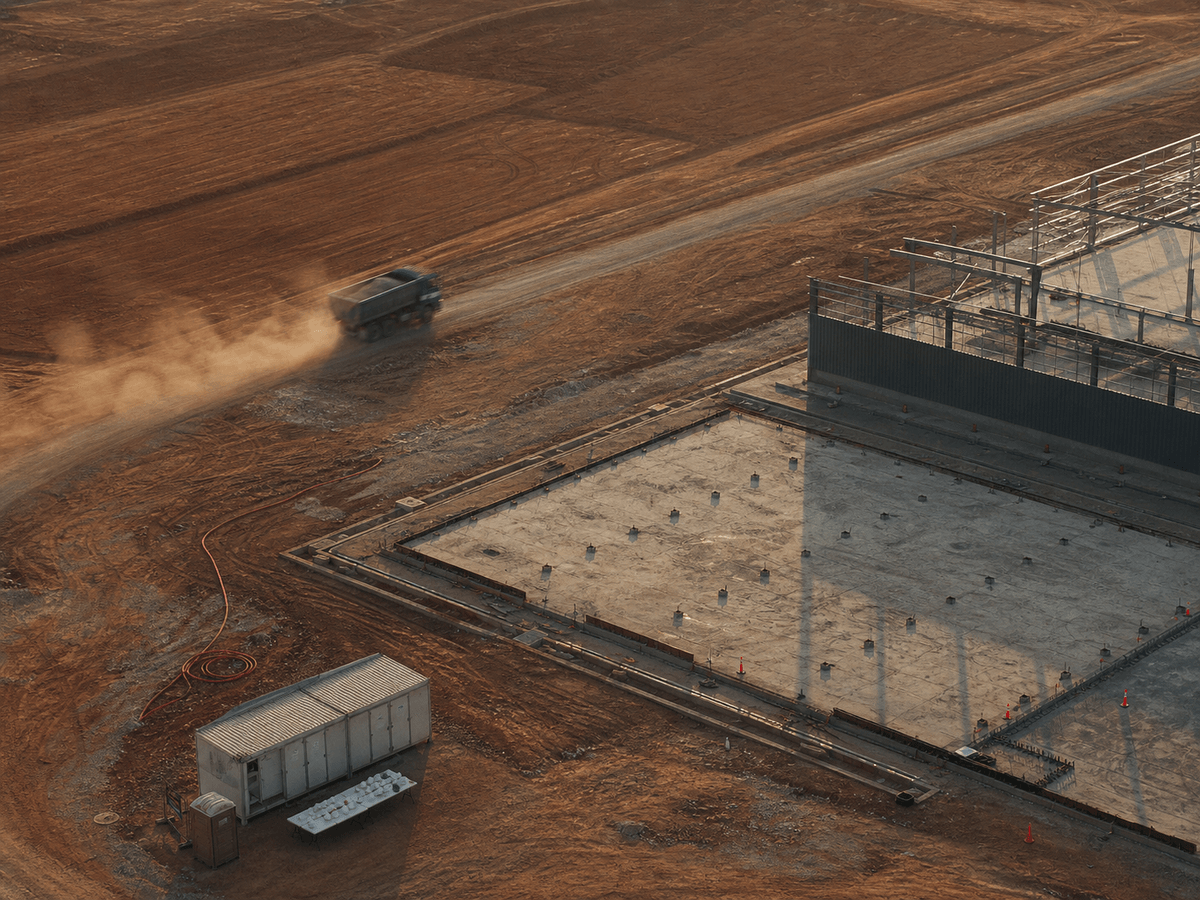
Microsoft’s two-and-a-quarter-billion-dollar commitment to Malaysia, announced in May 2024 and aimed primarily at Cyberjaya and Johor, has now passed the mid-point of its initial four-year horizon. The first data centre opened on schedule. The skills-training programme, which committed to certifying 200,000 Malaysians in AI by 2025, is reporting figures in the high hundreds of thousands at the most recent published count. The investment remains the largest single AI-infrastructure commitment in Southeast Asia, and the partnership-of-record on which Putrajaya’s broader ‘Madani’ AI policy frame is being constructed.
The interesting question, eighteen months in, is which kind of jurisdiction Malaysia is becoming.
There are two readings. The first, the one Putrajaya prefers, is that Malaysia is becoming the regional AI training and deployment hub. Lower power costs than Singapore, larger land bank than the city-state, and a workforce being upskilled at a rate no other ASEAN economy is currently matching. The Microsoft investment, on this reading, is the anchor that makes the rest credible. The second reading, written quietly in Singapore-side analyst notes, is that the upskilling is the visible part of the deal and the data-centre footprint is the load-bearing part. The compute commitments shifted regional compute geography; the certifications are downstream.
Both readings are true at once. The strategic question is which one is treated as the primary argument inside Malaysia’s AI Roadmap update due late this year. The 2025 draft, which a person familiar with its contours described last month as ‘reading like an inventory list,’ did not take a position. The 2026 draft will need to.
The window in which Malaysia can be the cost-advantaged AI host is real and is closing.
The competing investments are now visible. Singtel and Mistral landed at DC Tuas this week with a partnership built around regulated-sector tenants. Singapore’s 300-megawatt power release, the first since the 2019 moratorium, is being allocated. Indonesia is structuring a sovereign-cloud framework with state participation that Malaysia will not match. The window in which Malaysia can be the cost-advantaged AI host is real and is closing; the window in which it can be the talent-supplying jurisdiction may persist longer.
Either way, the Microsoft commitment will be remembered as the deal that set the terms. The 2024 announcement was the easy headline. The 2026 question is whether the partnership has produced an industrial position Malaysia can hold against Singaporean and Indonesian counter-positioning, or whether the certifications and the data centres will end up on opposite sides of the strategic ledger.
The honest answer, on the evidence to date, is that it is too early to tell. The cè reader who needs to know either way should mark the Roadmap publication date.[^1]
[^1]: The Roadmap update is expected in Q4 2026; the previous edition was published in 2024. The interim consultations are not public.